
Experience the Magic of Tokyo
Scroll to discover the city's most vibrant districts
Tokyo, one of the world's largest cities, Tokyo is Japan’s capital and worlds populous metropolis with mix of traditional and contemporary attractions. Tokyo offers unlimited choice of entertainment, cultural, shopping and dining to visitors during beyond during your stay for a conference, meeting or business travel
Tokyo Tower
Tokyo Tower is a landmark communications and observation tower located in the Shiba-Koen district of Minato, Tokyo. Standing at 332.9 metres, it is recognized as the second-tallest structure in Japan and one of the country’s most iconic symbols. The tower was completed in 1958 and inspired by the Eiffel Tower, yet it carries a distinctly modern Japanese identity with its bright white-and-orange exterior. Tokyo Tower serves as a major broadcasting structure, supporting television and radio signals across the region. Visitors can explore two observation decks that offer stunning panoramic views of Tokyo’s skyline, including glimpses of Mount Fuji on clear days. The tower also features attractions such as FootTown, home to shops, cafés, and small museums. Beyond its practical role, Tokyo Tower remains a cultural symbol representing Japan’s post-war recovery, technological progress, and the vibrant spirit of Tokyo
Imperial Palace
The Imperial Palace in Tokyo is the primary residence of the Emperor of Japan and stands as one of the nation’s most significant cultural and historical landmarks. Located in the heart of the city, the palace is surrounded by expansive gardens, serene moats, and fortified stone walls that reflect centuries of Japanese heritage. The site was once home to Edo Castle, the center of power during the Tokugawa shogunate. After the Meiji Restoration, it became the official imperial residence, symbolizing Japan’s transition into a modern nation. While the inner palace grounds remain restricted, visitors can explore the beautifully maintained East Gardens, which offer a peaceful escape from Tokyo’s bustling urban atmosphere. Throughout the year, the palace serves as a venue for important ceremonies and public appearances by the imperial family. The Imperial Palace represents continuity, tradition, and the enduring legacy of Japan’s monarchy
Odaiba
Odaiba is a modern, high-tech entertainment district built on an artificial island in Tokyo Bay, offering a unique blend of futuristic attractions, scenic waterfront views, and immersive experiences. Connected to central Tokyo via the iconic Rainbow Bridge or the driverless Yurikamome train, the area draws visitors with its striking architecture and lively atmosphere. Seaside Park provides a relaxing urban beach setting where people enjoy strolls, sunset views, and photo spots overlooking the bay. One of Odaiba’s highlights is the Daikanransha Ferris wheel, from where visitors can enjoy panoramic views of Tokyo’s skyline and even Mount Fuji on clear days. The Miraikan science museum offers interactive exhibits, robotics displays, and hands-on learning experiences. Odaiba is also a popular shopping and dining destination, featuring malls like Aqua City and the Venice-themed VenusFort, along with numerous waterfront cafés and sushi bars. The district embodies Tokyo’s innovative, playful, and futuristic spirit
Ginza
The Tokyo Imperial Palace serves as the primary residence of the Emperor of Japan and stands as one of the country’s most important cultural and historical landmarks. Located in the Chiyoda ward, the palace complex sits within a vast, park-like setting filled with serene moats, stone bridges, lush gardens, and pathways that reflect centuries of tradition. Within the grounds are the main palace buildings, the private residences of the Imperial Family, as well as archives, museums, and key administrative offices. Just a short distance away lies Ginza, one of Tokyo’s most prestigious shopping districts. Known for its luxury boutiques, elegant department stores, and high-end designer labels, Ginza is also famous for its sophisticated sushi bars, cocktail lounges, and gourmet dining. On weekends, the bustling Chuo Dori street transforms into a pedestrian-only zone, while the iconic Kabuki-za Theatre showcases traditional Japanese dance and drama, adding cultural depth to this glamorous district
Akihabara
Akihabara, often called the “Electric Town” of Tokyo, is one of the city’s most energetic and fascinating shopping districts, famous for its vast selection of electronics, gadgets, and cutting-edge technology. The area is packed with everything from tiny specialty stalls selling rare components to massive retail giants like Yodobashi Multimedia Akiba, where visitors can explore entire floors dedicated to cameras, computers, gaming, and home appliances. Beyond electronics, Akihabara has become a global center for otaku culture, attracting fans of anime, manga, collectibles, and gaming. The district features themed cafés, vibrant arcades, and shops filled with character merchandise, creating a unique and colorful atmosphere. Streets are lined with bright billboards, neon signs, and lively storefronts, capturing the futuristic energy of modern Tokyo. Whether browsing the latest tech, experiencing anime culture, or simply enjoying the lively vibe, Akihabara offers a dynamic blend of innovation, entertainment, and pop-culture excitement
Meji Jingu Shrine
Meiji Shrine, located in the Shibuya district of Tokyo, is one of Japan’s most significant and peaceful Shinto shrines. Dedicated to the deified spirits of Emperor Meiji and his wife, Empress Shōken, the shrine honors the couple’s role in leading Japan through a transformative era of modernization during the Meiji Restoration. Although the shrine is dedicated to their spirits, it does not house Emperor Meiji’s actual grave, which is located in Fushimi-momoyama, south of Kyoto. Surrounded by a lush forest of over 100,000 trees donated from across Japan, Meiji Shrine offers a calm escape from Tokyo’s busy urban environment. Visitors enter through towering wooden torii gates and walk along tranquil paths that lead to the main shrine buildings. The site is also known for traditional Shinto wedding ceremonies, cultural rituals, and seasonal events. Meiji Shrine symbolizes harmony, spiritual reflection, and Japan’s deep cultural heritage
Sensoji Temple
Sensō-ji, located in the historic Asakusa district of Tokyo, is the city’s oldest and one of its most culturally significant Buddhist temples. Founded in the 7th century, the temple has long been a spiritual center and a symbol of resilience for the people of Tokyo. Originally associated with the Tendai sect of Buddhism, Sensō-ji became an independent temple after World War II, continuing its role as a cherished place of worship and cultural heritage. Visitors enter the temple grounds through the iconic Kaminarimon, or “Thunder Gate,” which is famous for its massive red lantern. From there, the lively Nakamise shopping street leads to the main temple complex, offering traditional snacks, souvenirs, and crafts. The temple grounds include impressive structures such as the Main Hall and the five-story pagoda. Sensō-ji remains a vibrant hub for festivals, prayers, and traditions, representing the enduring spirit and history of Tokyo
Shibuya Crossing
Shibuya Crossing, often rumored to be the busiest pedestrian intersection in the world—and unquestionably the busiest in Japan—is an unforgettable symbol of Tokyo’s vibrant energy. Located just outside Shibuya Station, the intersection transforms into a mesmerizing wave of motion each time the lights change, sending crowds in multiple directions simultaneously. At peak moments, more than 3,000 people cross at once, moving with an almost effortless flow that showcases the unique rhythm of Tokyo life. Despite the seeming chaos, there is a surprising harmony as people navigate the scramble with instinctive ease and agility. Surrounded by towering screens, neon lights, and the constant buzz of the city, Shibuya Crossing has become a cultural icon and a must-see experience for visitors. Whether viewed from street level or from one of the nearby cafés overlooking the intersection, it perfectly captures the modern, fast-paced heartbeat of Tokyo
Tokyo Sky Tree
Tokyo Skytree, located in the Sumida district of Tokyo, is a remarkable broadcasting, dining, and observation tower that has become one of Japan’s most iconic modern landmarks. Construction began with the goal of creating a next-generation broadcasting structure, and by 2010 it had officially surpassed all others to become the tallest structure in Japan. Reaching its full height of 634 meters in March 2011, Tokyo Skytree is also one of the tallest towers in the world. Its sleek design, inspired by traditional Japanese architecture and cutting-edge engineering, makes it a striking addition to Tokyo’s skyline. Visitors can explore two spectacular observation decks offering breathtaking panoramic views of the city, stretching as far as Mount Fuji on clear days. The tower base includes the Tokyo Solamachi complex, featuring shops, cafés, an aquarium, and cultural attractions. Tokyo Skytree stands as a symbol of innovation, technology, and the limitless spirit of modern Tokyo
Experience the Magic of Tokyo
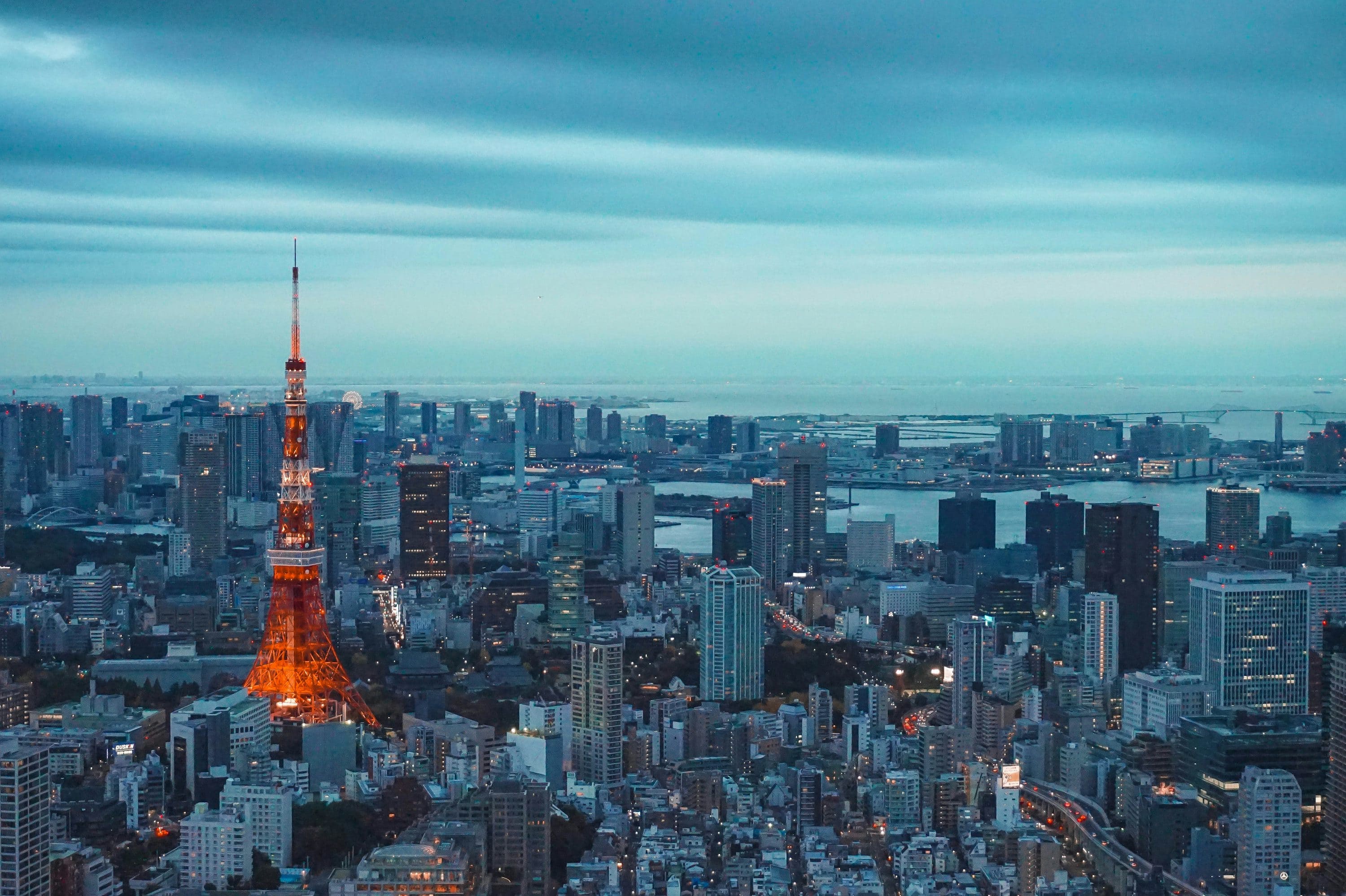
Tokyo, one of the world's largest cities, Tokyo is Japan’s capital and worlds populous metropolis with mix of traditional and contemporary attractions. Tokyo offers unlimited choice of entertainment, cultural, shopping and dining to visitors during beyond during your stay for a conference, meeting or business travel.
Tokyo Tower
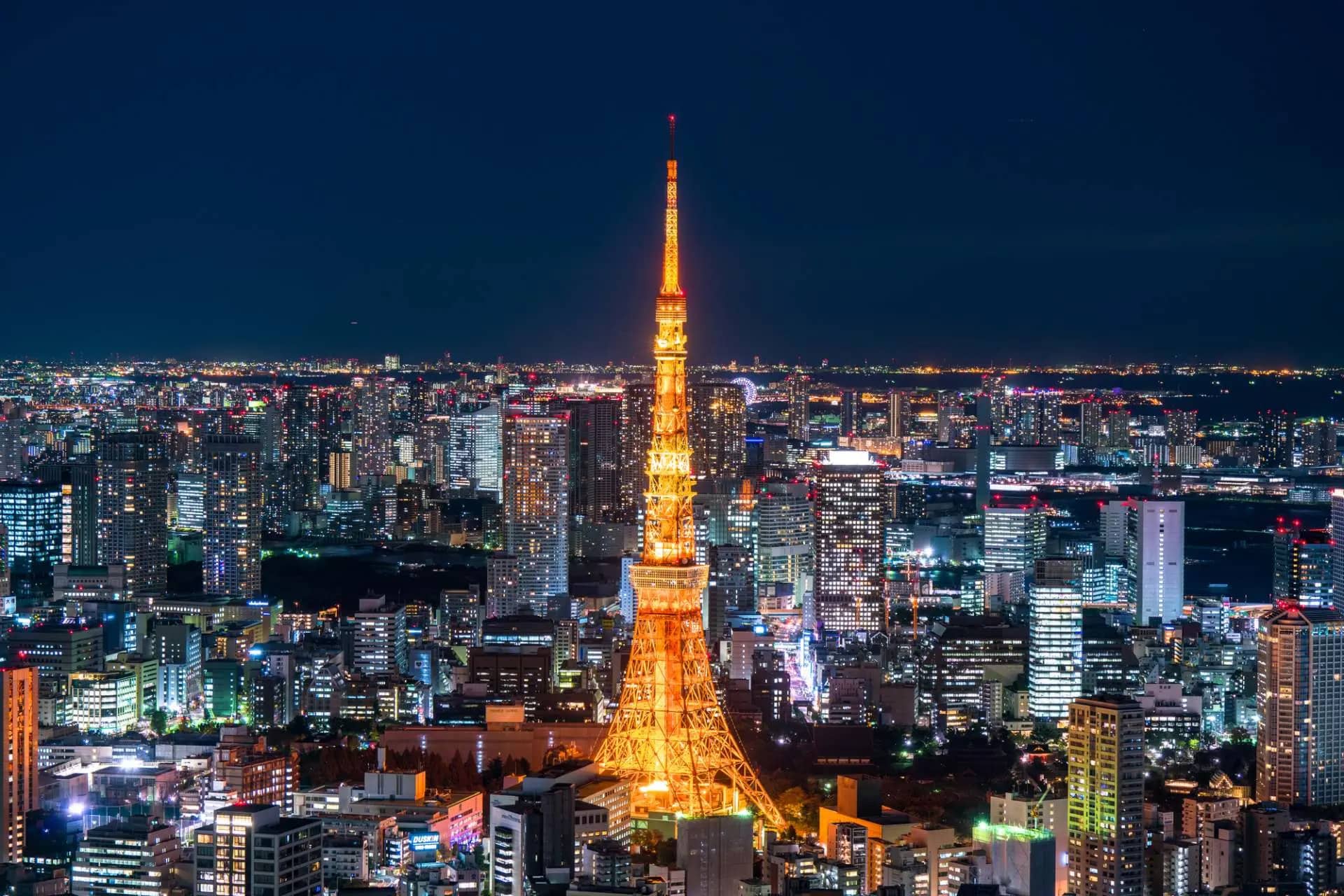
Tokyo Tower is a communications and observation tower in the Shiba-koen district of Minato, Tokyo, Japan. At 332.9 metres, it is the second-tallest structure in Japan.
Imperial Palace

SThe Tokyo Imperial Palace is the primary residence of the Emperor of Japan. It is a large park-like area located in the Chiyoda ward of Tokyo and contains buildings including the main palace, the private residences of the Imperial Family, an archive, museums and administrative offices.
Odaiba
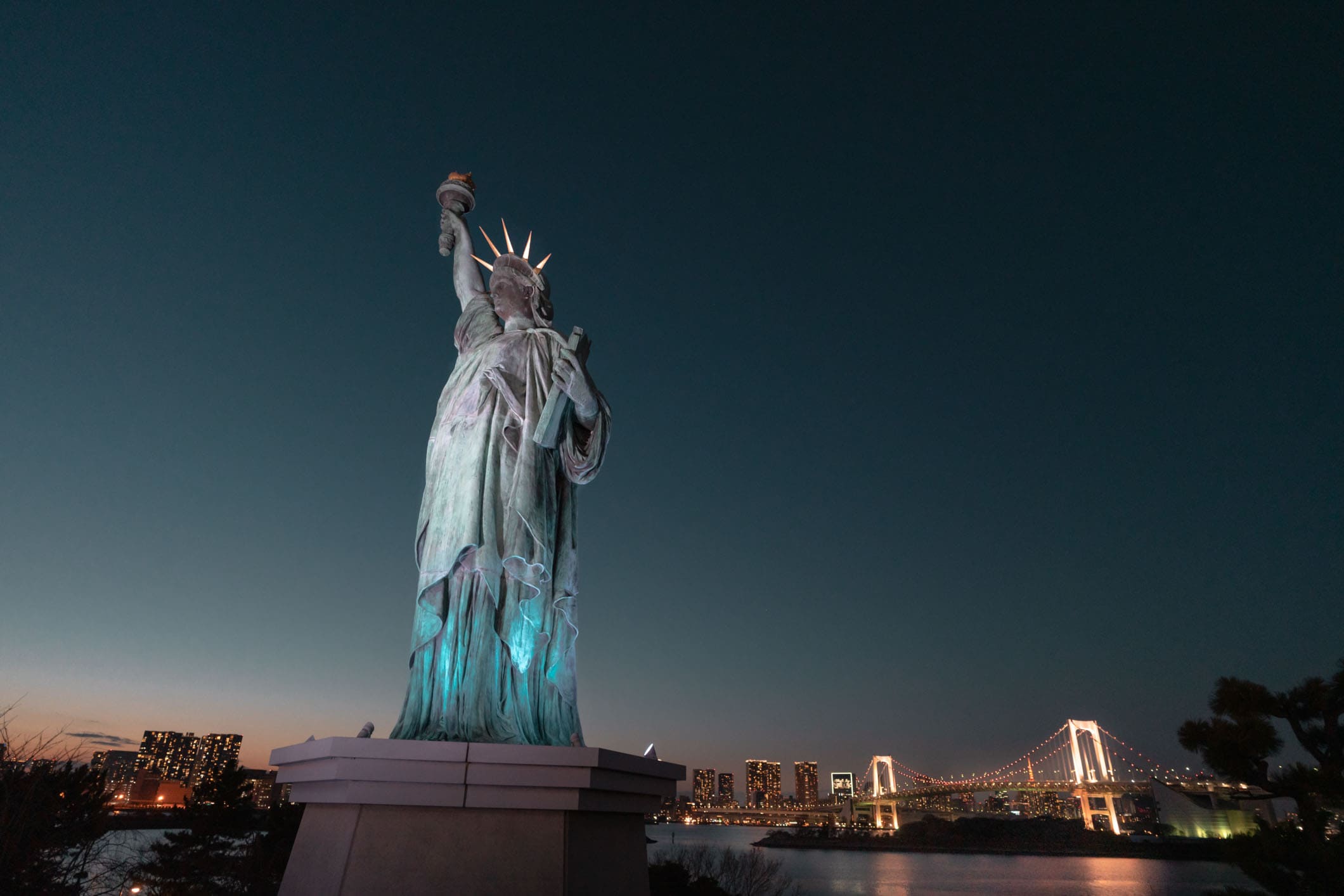
Odaiba is a high-tech entertainment hub on an artificial island in Tokyo Bay. Visitors head to the beach at Seaside Park, accessed via the Rainbow Bridge or the futuristic Yurikamome train enjoy Mt. Fuji views from the Daikanransha Ferris wheel, and interact with robots at the Miraikan science museum. Malls include Aqua City and the Venice-themed VenusFort, and there are sushi bars with views along the waterfront.
Ginza
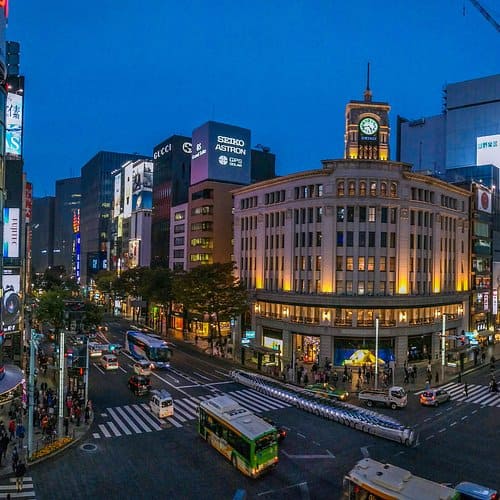
The Tokyo Imperial Palace is the primary residence of the Emperor of Japan. It is a large park-like area located in the Chiyoda ward of Tokyo and contains buildings including the main palace, the private residences of the Imperial Family, an archive, museums and administrative offices.One of the city’s top shopping districts, Ginza is packed with upmarket boutiques, as well as ritzy cocktail and sushi bars. On weekends, main drag Chuo Dori becomes a stylish pedestrian promenade. Traditional Japanese dance and drama is staged at the landmark Kabuki-za theater.
Akihabara
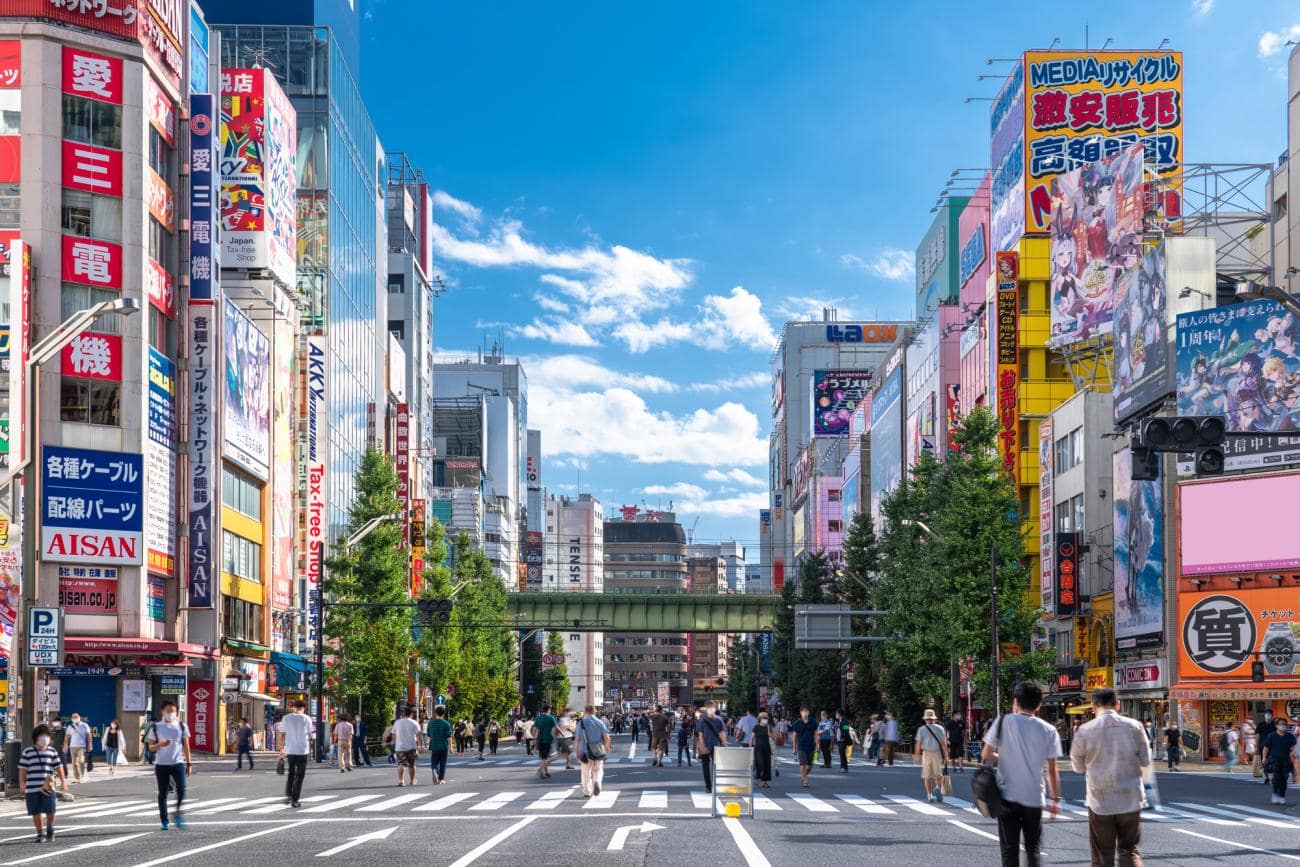
Akihabara is a buzzing shopping hub famed for its electronics retailers, ranging from tiny stalls to vast department stores like Yodobashi Multimedia Akiba.
Meji Jingu Shrine
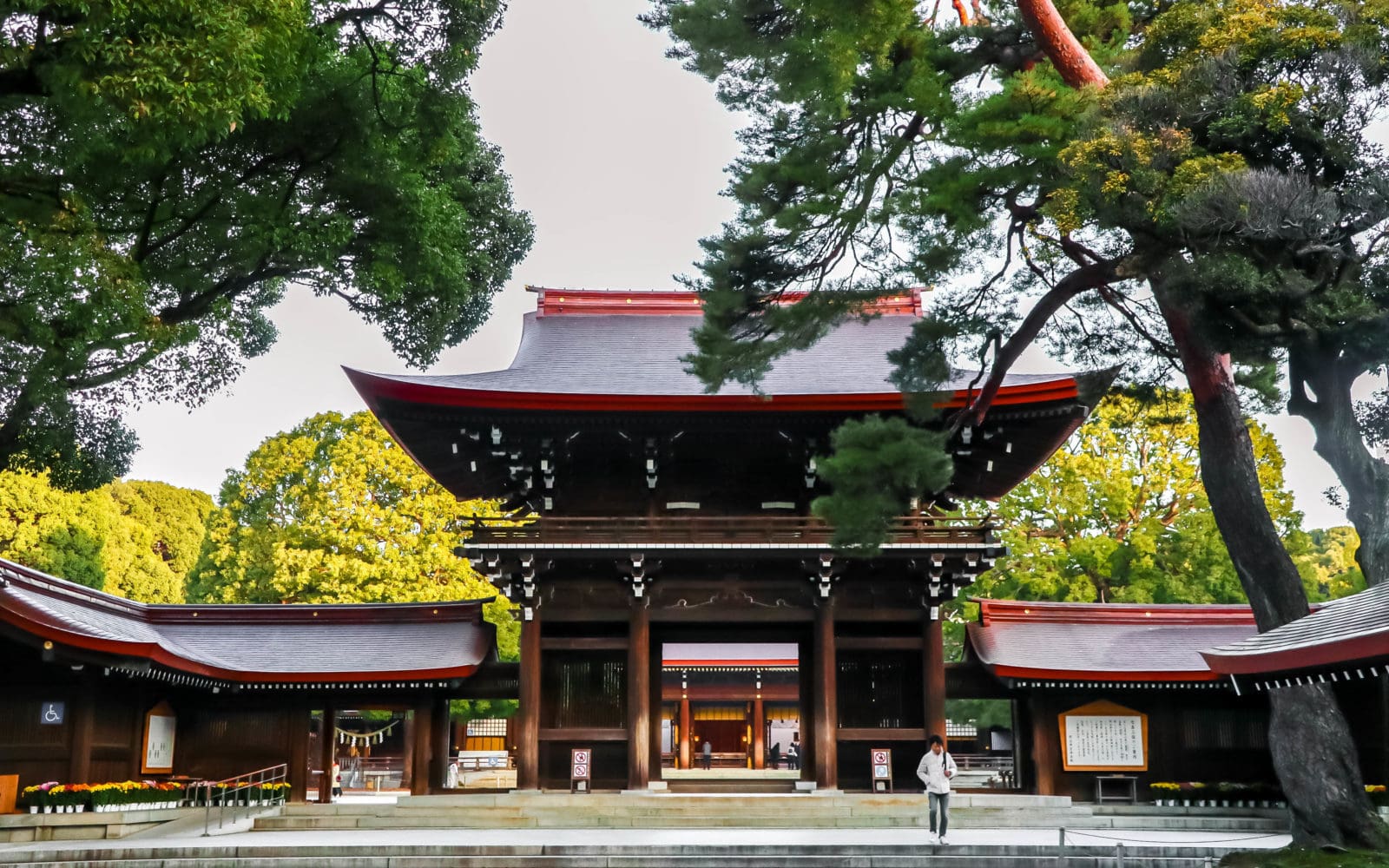
Meiji Shrine, located in Shibuya, Tokyo, is the Shinto shrine that is dedicated to the deified spirits of Emperor Meiji and his wife, Empress Shōken. The shrine does not contain the emperor's grave, which is located at Fushimi-momoyama, south of Kyoto.
Sensoji Temple
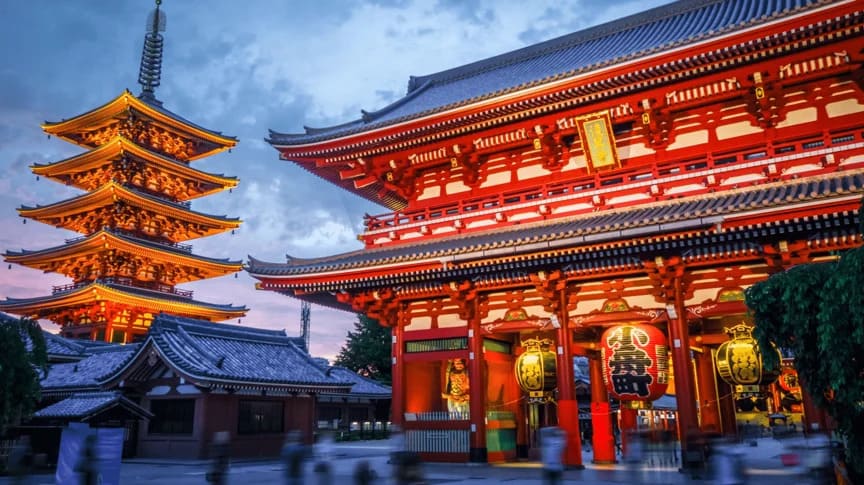
Sensō-ji is an ancient Buddhist temple located in Asakusa, Tokyo, Japan. It is Tokyo's oldest temple, and one of its most significant. Formerly associated with the Tendai sect of Buddhism, it became independent after World War II.
Shibuya Crossing
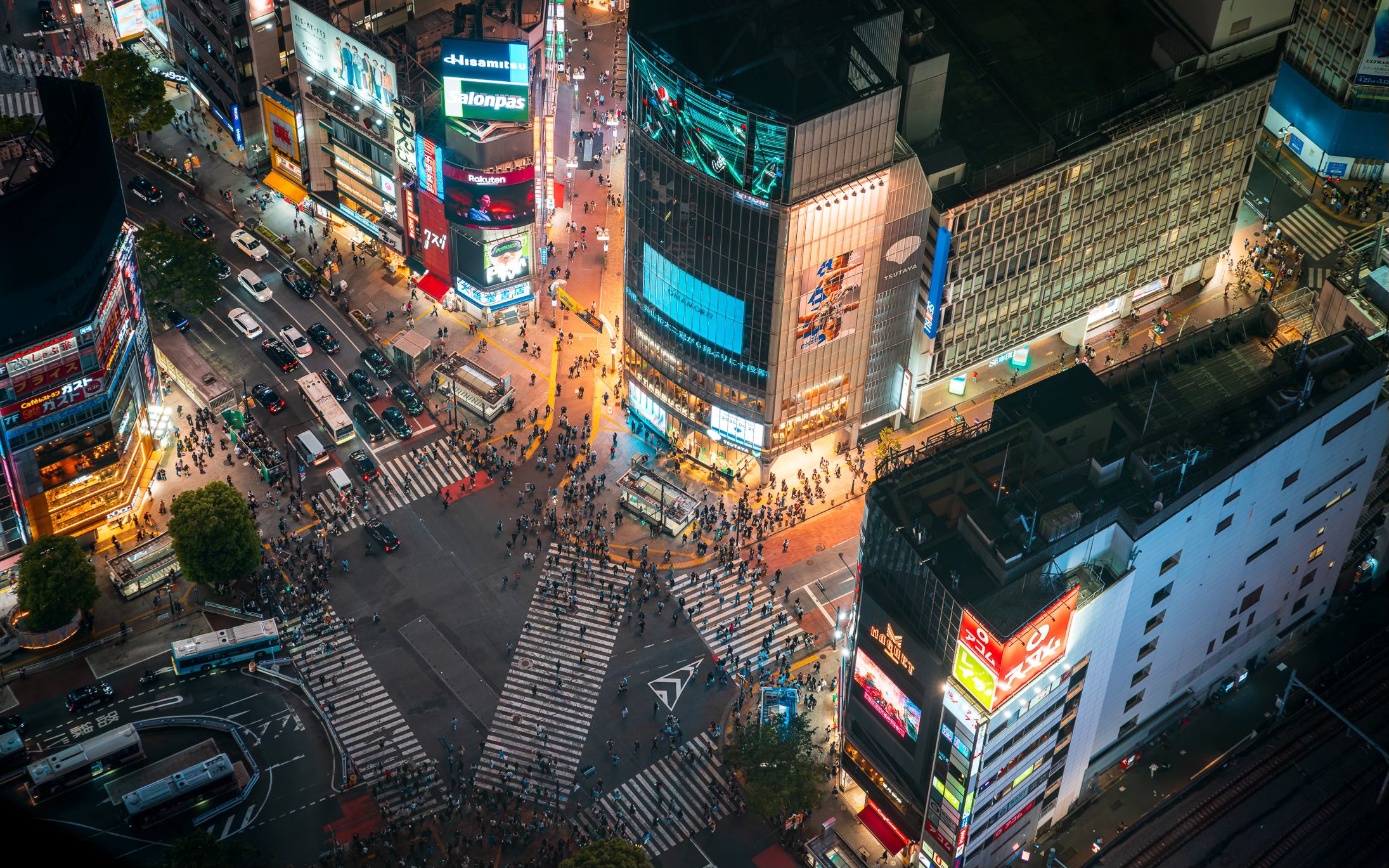
Rumored to be the busiest intersection in the world (and definitely in Japan), Shibuya Crossing is like a giant beating heart, sending people in all directions with every pulsing light change. Perhaps nowhere else says ‘Welcome to Tokyo’ better than this. Hundreds of people – and at peak times upwards of 3000 people – cross at a time, coming from all directions at once, yet still managing to dodge each other with a practiced, nonchalant agility.
Tokyo Sky Tree
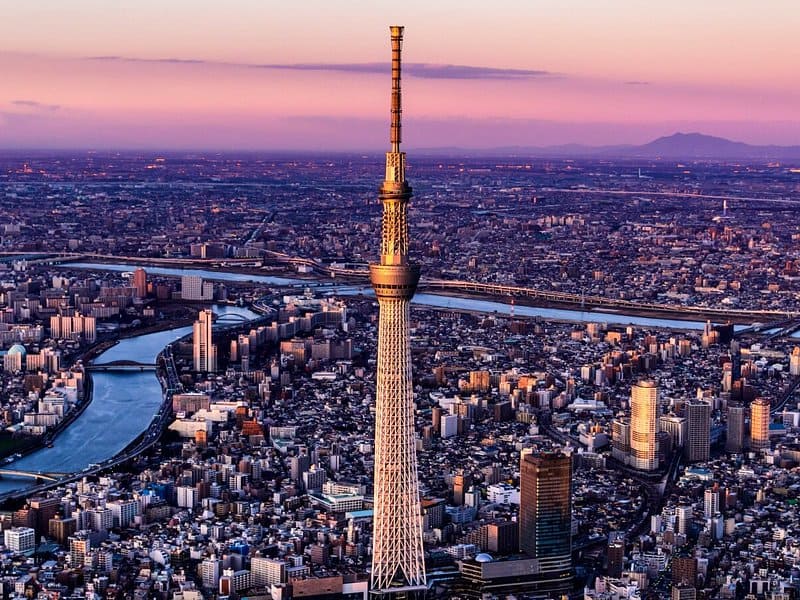
Tokyo Skytree is a broadcasting, restaurant, and observation tower in Sumida, Tokyo, Japan. It became the tallest structure in Japan in 2010 and reached its full height of 634.0 metres in March 2011.