
Experience the Magic of Kanazawa
Scroll to discover the city's most vibrant districts.
Kanazawa, the capital of Ishikawa Prefecture on Japan’s central Honshu Island, is a city celebrated for its beautifully preserved history, refined culture, and traditional craftsmanship. Known for its well-maintained Edo-period districts, Kanazawa offers visitors a chance to step back in time while exploring streets lined with samurai residences, merchant houses, and teahouses that reflect the elegance of old Japan. The city is home to Kenrokuen Garden, one of Japan’s three most beautiful landscape gardens, admired for its seasonal beauty and harmonious design. Kanazawa also boasts impressive art museums, including the 21st Century Museum of Contemporary Art, which showcases innovative and modern exhibitions. The city is equally famous for its regional handicrafts, such as gold leaf production, Kutani pottery, and intricate silk dyeing. With its rich blend of tradition, creativity, and historical charm, Kanazawa offers a deeply authentic and culturally enriching experience for travelers.
Kenrokuen Garden
Timeless Beauty in Kanazawa
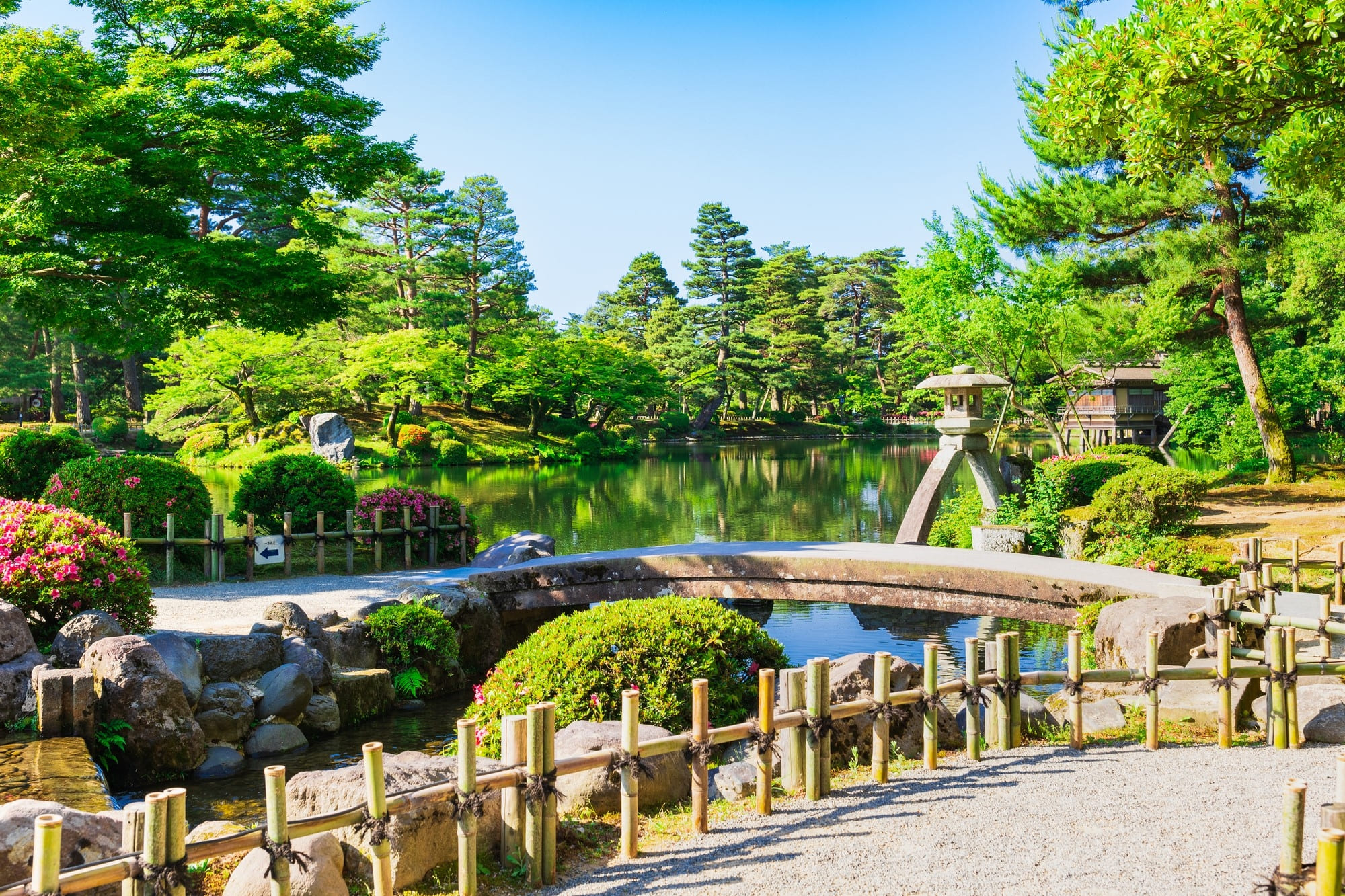
Kenrokuen in Kanazawa is justifiably classified as one of Japan's "three most beautiful landscape gardens" alongside Mito's Kairakuen and Okayama's Korakuen. The spacious grounds used to be the outer garden of Kanazawa Castle and were constructed by the ruling Maeda family over a period of nearly two centuries. Opened to the public in 1871, Kenrokuen features a variety of flowering trees which provide the garden with a different look for each season. The name Kenrokuen literally means "Garden of the Six Sublimities", referring to spaciousness, seclusion, artificiality, antiquity, abundant water and broad views, which according to Chinese landscape theory are the six essential attributes that make up a perfect garden.
Nagamachi District
Kanazawa’s Preserved Samurai Heritage
Nagamachi was a samurai district located at the foot of the former Kanazawa Castle, where samurai and their families used to reside. The area preserves a historic atmosphere with its remaining samurai residences, earthen walls, private entrance gates, narrow lanes and water canals. One of the main attractions of the district is the centrally located Nomura-ke, a restored samurai residence displaying the lifestyle and artifacts of the era when samurai were prosperous. In contrast is the Shinise Kinenkan Museum, a restored pharmacy displaying the lives of the merchant class which rose in prosperity as the samurai declined
Higashi Chayagai
A Dazzling Urban Contrast
A chaya (lit. teahouse) is an exclusive type of restaurant where guests are entertained by geisha who perform song and dance. During the Edo Period, chaya were found in designated entertainment districts, usually just outside the city limits. Kanazawa has three, well preserved chaya districts, Higashi Chayagai (Eastern Chaya District), Nishi Chayagai (Western Chaya District) and Kazuemachi Of the three districts, the Higashi Chaya District (Higashi Chayagai) is the largest and by far the most interesting. Two chaya, the Shima Teahouse and Kaikaro Teahouse, are open to the public. Other buildings along the central street now house cafes and shops. One of the shops, Hakuza, sells gold leaf products, a specialty of Kanazawa, and displays a tea ceremony room which is completely covered in gold leaf
Experience the Magic of KANAZAWA
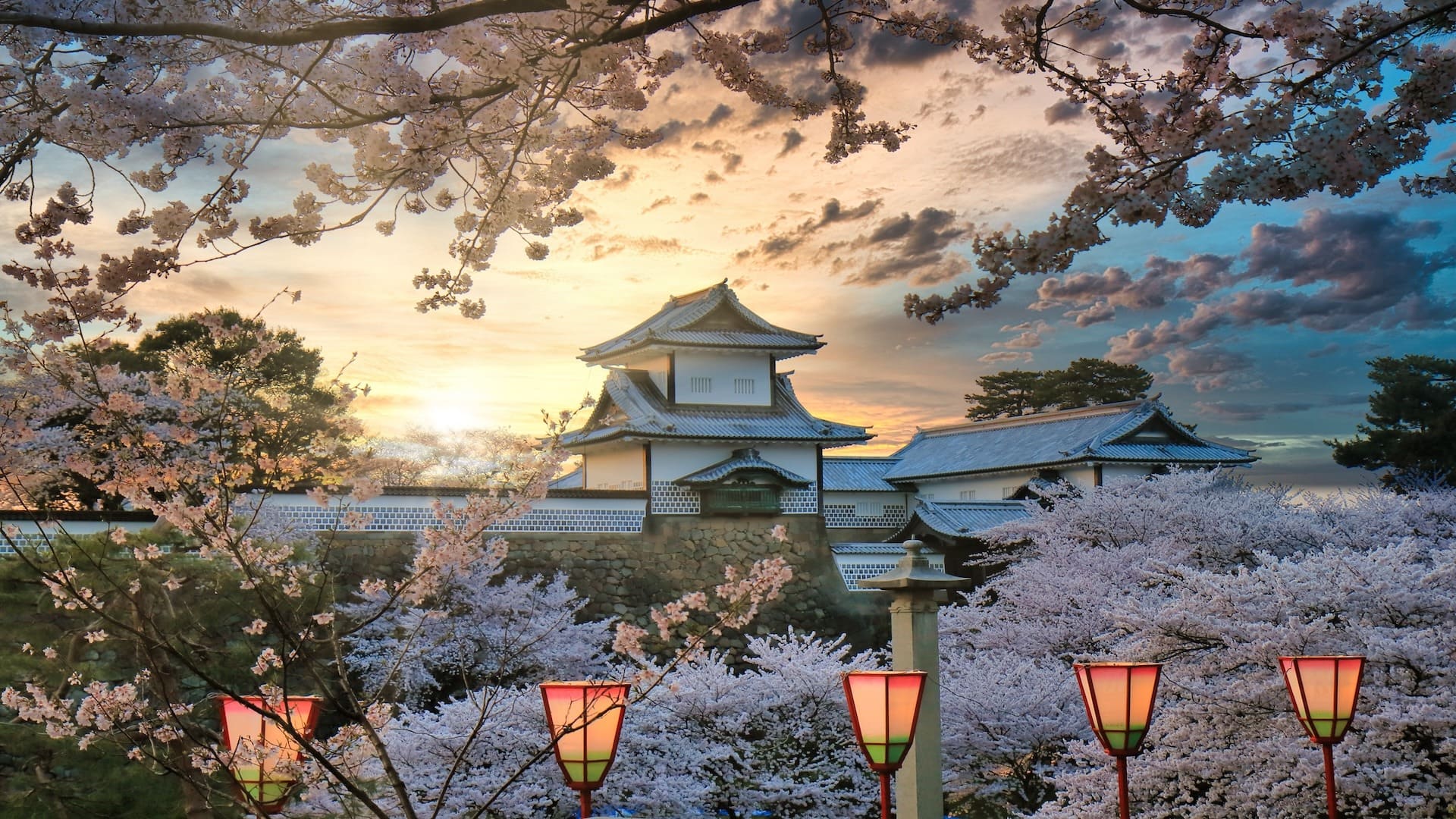
Kanazawa, the capital of Ishikawa Prefecture on Japan’s central Honshu Island, is a city celebrated for its beautifully preserved history, refined culture, and traditional craftsmanship. Known for its well-maintained Edo-period districts, Kanazawa offers visitors a chance to step back in time while exploring streets lined with samurai residences, merchant houses, and teahouses that reflect the elegance of old Japan
Kenrokuen Garden
Timeless Beauty in Kanazawa
Nara Park (Nara Kōen) is a large park in central Nara. Established in 1880, it is the location of many of Nara's main attractions including Todaiji, Kasuga Taisha, Kofukuji and the Nara National Museum. The park is home to hundreds of freely roaming deer. Considered in Shinto to be messengers of the gods, Nara's nearly 1200 deer have become a symbol of the city and have even been designated as a natural treasure..
Nagamachi District
Kanazawa’s Preserved Samurai Heritage
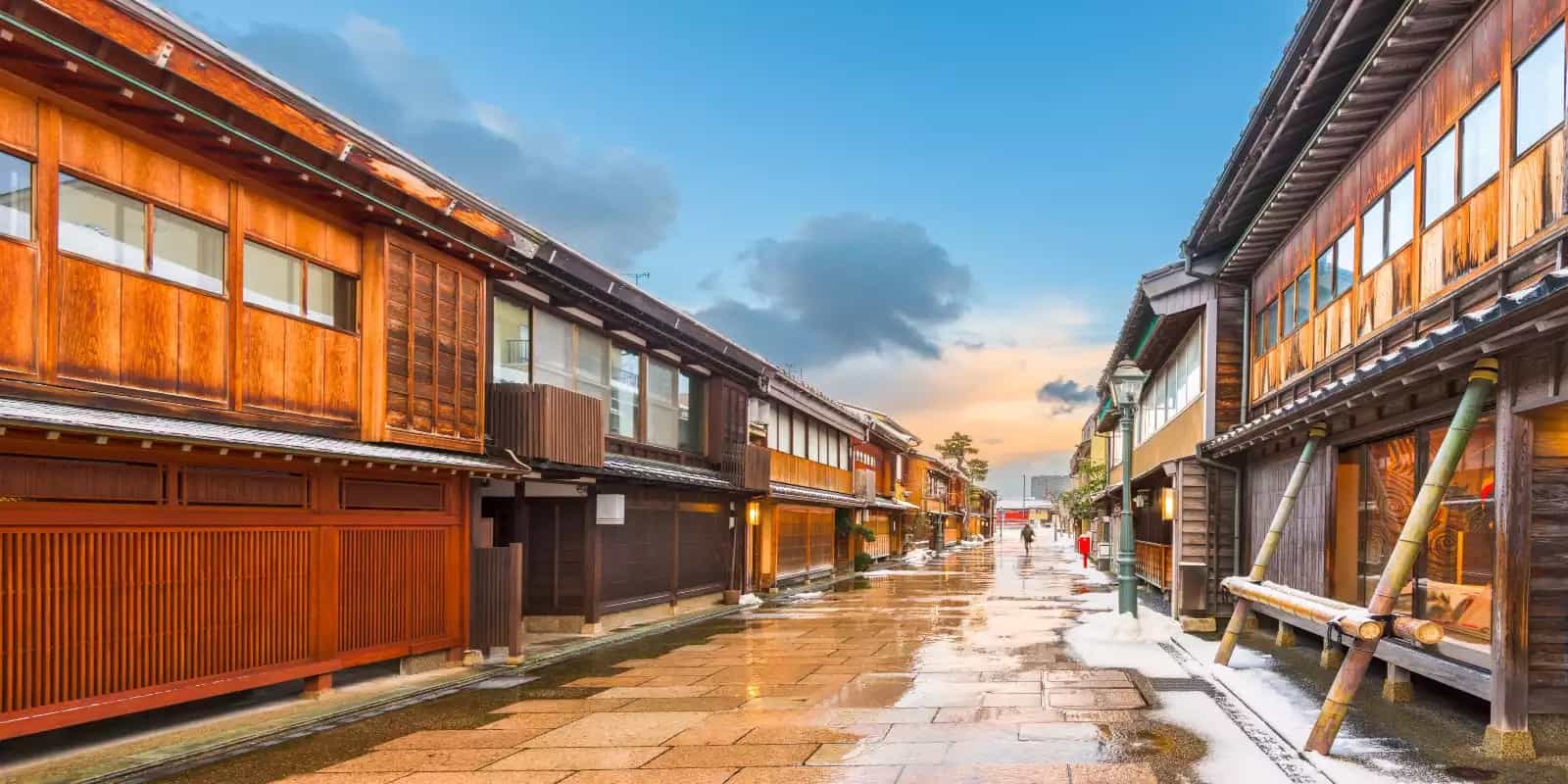
Nagamachi was a samurai district located at the foot of the former Kanazawa Castle, where samurai and their families used to reside. The area preserves a historic atmosphere with its remaining samurai residences, earthen walls, private entrance gates, narrow lanes and water canals. One of the main attractions of the district is the centrally located Nomura-ke, a restored samurai residence displaying the lifestyle and artifacts of the era when samurai were prosperous. In contrast is the Shinise Kinenkan Museum, a restored pharmacy displaying the lives of the merchant class which rose in prosperity as the samurai declined
Higashi Chayagai
A Dazzling Urban Contrast
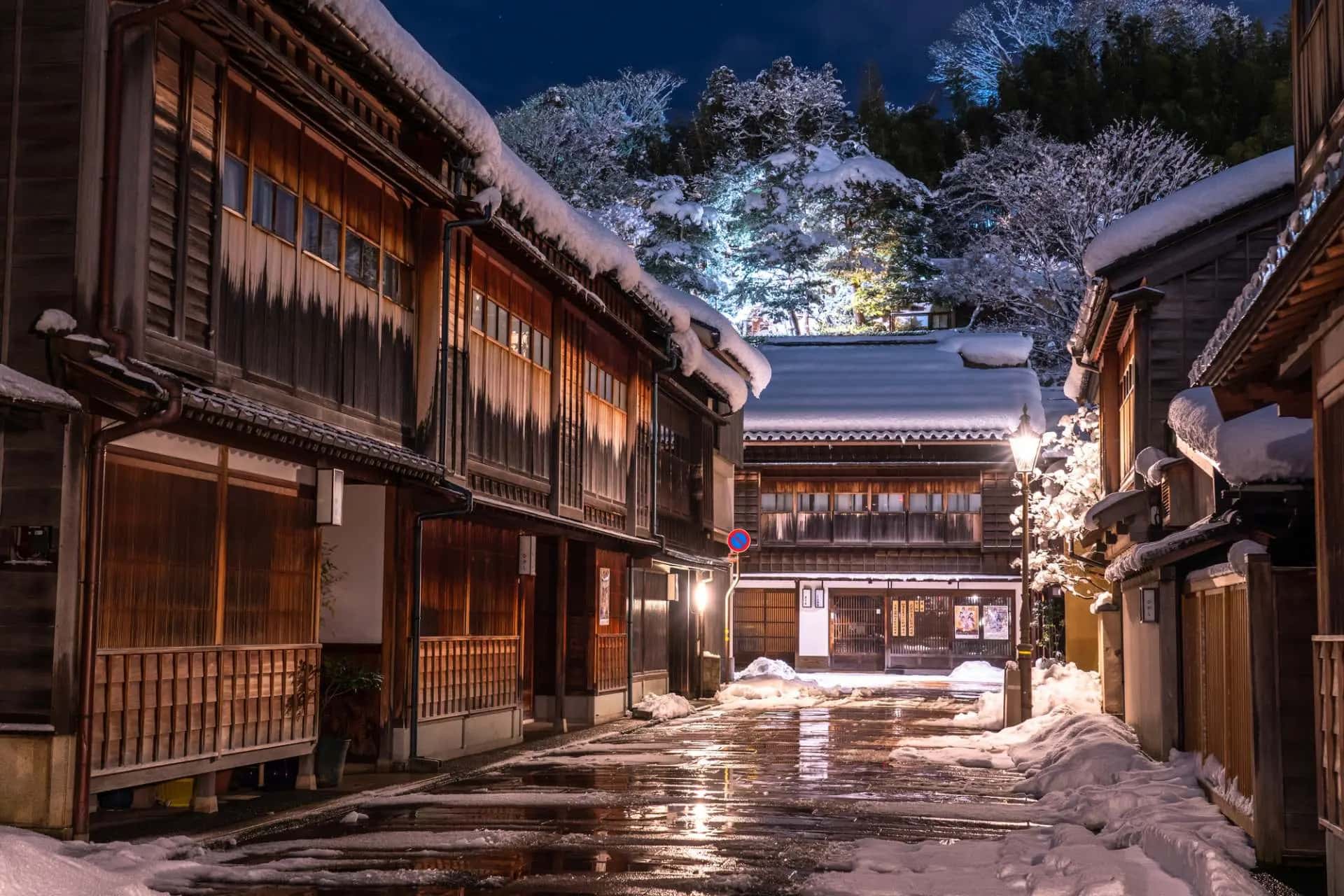
A chaya (lit. teahouse) is an exclusive type of restaurant where guests are entertained by geisha who perform song and dance. During the Edo Period, chaya were found in designated entertainment districts, usually just outside the city limits. Kanazawa has three, well preserved chaya districts, Higashi Chayagai (Eastern Chaya District), Nishi Chayagai (Western Chaya District) and Kazuemachi Of the three districts, the Higashi Chaya District (Higashi Chayagai) is the largest and by far the most interesting